
The Art of Synastry in Workplace Relationships
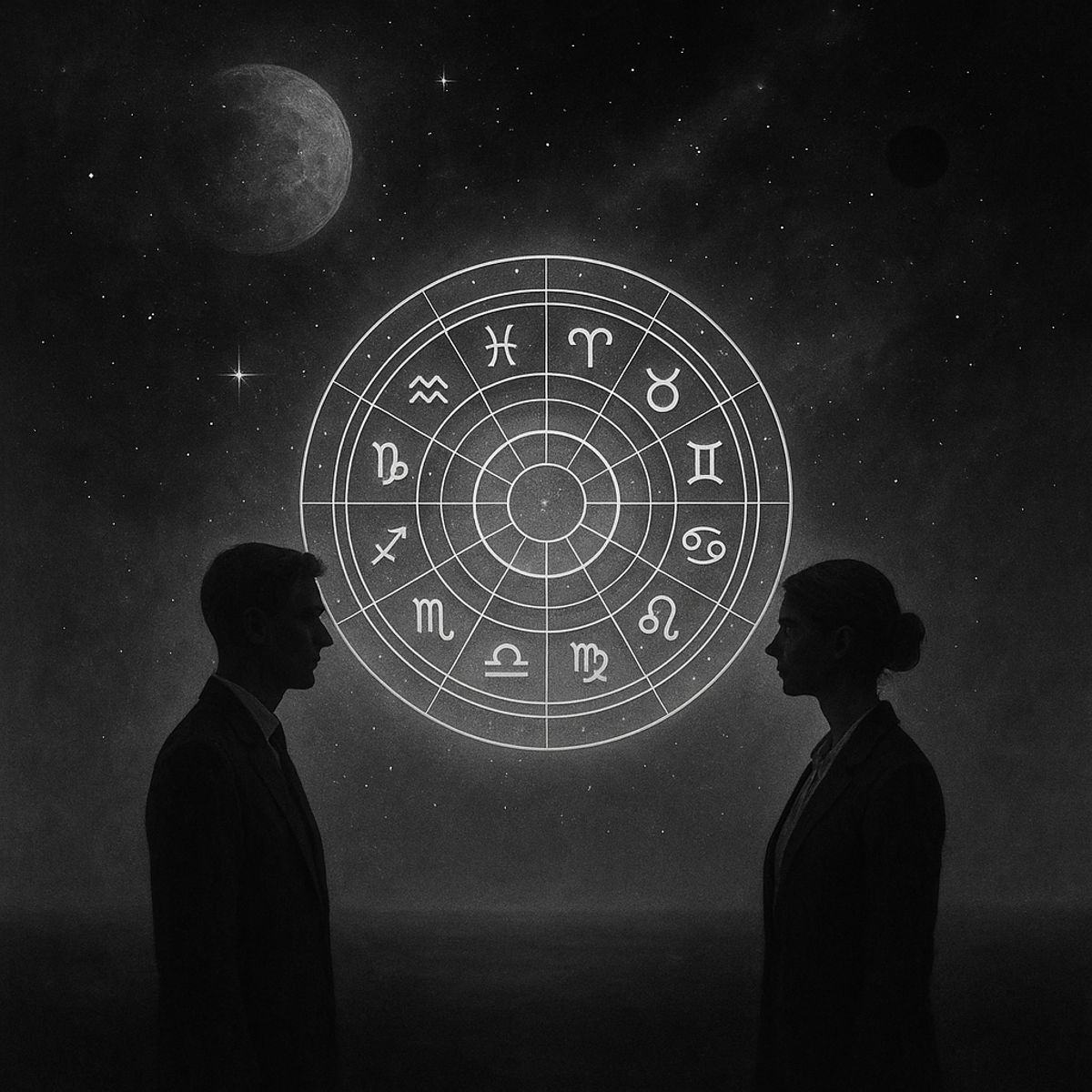
Explore how synastry reveals astrological compatibility in work environments, enhancing collaboration and conflict resolution.
Introduction to Synastry
Synastry is a branch of astrology focused on studying compatibility between two people by comparing their natal charts. Traditionally applied to personal relationships, its use in the workplace offers fascinating insights into improving dynamics between coworkers.
Through synastry, one can identify natural strengths and weaknesses within a work relationship, highlighting critical aspects like communication, leadership, and conflict management. This analysis allows for creating a more harmonious work environment, maximizing individual and collective skills.
Components of Workplace Synastry
An individual's natal chart is a map of the planetary positions at their birth, revealing important aspects of their personality and behaviors. When comparing two natal charts, astrologers look for patterns indicating compatibility or potential discord.
In the workplace context, the Sun, Moon, and Ascendant signs are primarily examined. Additionally, personal planets like Mercury, Venus, and Mars play a significant role in communication and motivation. Identifying these energies can enhance mutual understanding and cooperation in shared projects.
The Importance of Mercury in Communication
Mercury, the planet of communication, is crucial in workplace synastry. Its position and aspects determine how an individual processes information and expresses themselves. In a work relationship, natal charts with Mercury in compatible signs suggest smooth and effective communication.
When Mercury forms challenging aspects between two charts, misunderstandings or differences in project approaches may occur. Identifying these dynamics allows for developing strategies to overcome barriers, such as practicing active listening or adapting to each other's communication styles.
The Role of the Sun and Moon in the Workplace
In astrology, the Sun represents an individual's essence and central purpose, while the Moon reflects emotions and internal needs. In workplace synastry, harmonious congruence between these elements often results in a good balance between personal aspirations and emotional well-being at work.
For instance, if an individual's Sun is in a fire sign, they may bring enthusiasm and initiative, while a compatible Moon in an air sign can offer emotional adaptability. Understanding these interactions allows for assigning tasks that align with each participant's natural energies.
How Synastry Can Resolve Conflicts
In workplace scenarios, conflicts often arise from misunderstandings or differences in problem-solving approaches. Synastry provides a map to identify potential friction areas and offers clues on how to strategically mediate these tensions.
For example, recognizing the positions of Mars in natal charts can indicate how each person handles anger and competition. A well-aspected Mars may suggest a tendency toward cooperation, while tense aspects might require specific conflict resolution techniques. The key is to value the diversity of energies as an asset for innovation and development.
Integrating Synastry into Organizational Development
The application of synastry is not limited to individuals but can extend to entire teams within an organization. By recognizing astrological dynamics, managers can build more efficient teams, assign roles that maximize strengths, and minimize risks.
Beyond synastry, it's vital for companies to foster a culture of respect and adaptability, where knowledge of individual differences serves as a tool for collective growth. Synastry acts as a bridge between individual needs and collective goals, promoting a more cohesive and productive environment.

Free Birth Chart
Discover the sky that existed when you were born
We reconstruct the astronomical map of the moment of your birth with exact planetary positions and advanced interpretation.
Get your free chart