
Possible Impact of a Stellar Explosion on Earth
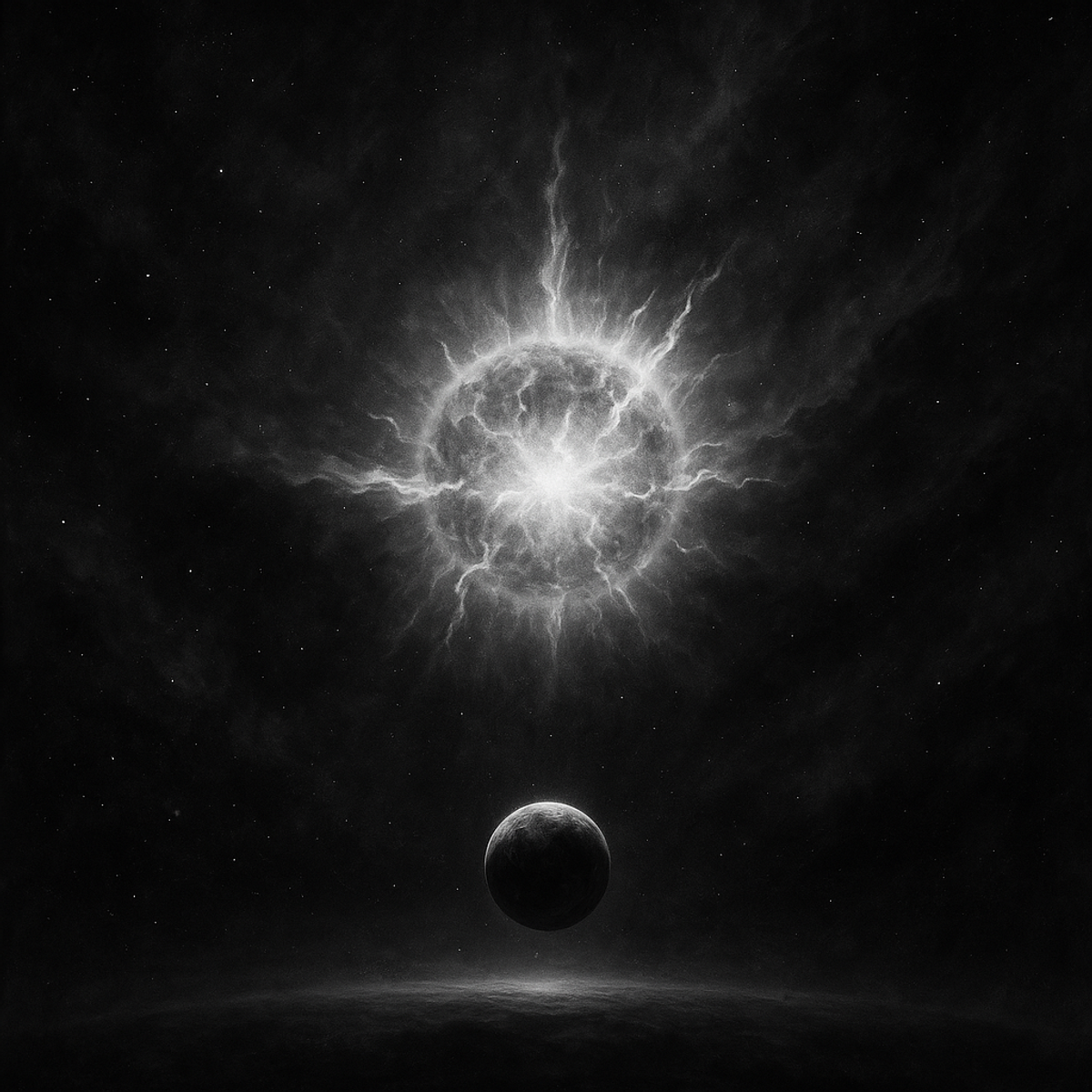
Explore how star explosions, known as supernovae, could one day affect our planet and what science knows about it.
What is a supernova?
A supernova is the cataclysmic explosion of a star at the end of its life cycle. This phenomenon generally occurs in large stars that have exhausted their nuclear fuel and can no longer sustain their gravity. As a result, their core collapses, and in an instant, the star releases an immense amount of energy in the form of light and radiation.
The dazzling brightness of a supernova can outshine entire galaxies for a few days or weeks. In human history, few supernovae have been recorded with the naked eye, but their study has been profound thanks to modern telescopes. Despite their beauty, supernovae are also mysteriously destructive events that can impact their surroundings in the universe.
Consequences of a nearby supernova
If a supernova exploded less than 50 light-years from Earth, its effects could be devastating. The high-energy radiation emitted by these events could strip the atmosphere of its ozone layer, exposing the surface to dangerous levels of ultraviolet radiation from the sun.
Beyond the initial concern for ozone, a nearby supernova could induce secondary effects on climate and life. The shower of cosmic rays could cause mutagenic changes in sensitive life forms and reverse processes like photosynthesis, affecting the food chain on a large scale.
Are we in danger?
Currently, there are no stars near Earth that pose an imminent supernova threat. Betelgeuse, a red giant star in the constellation Orion, has shown signs of being at the end of its life, but it is at a safe distance of 642 light-years from us.
Despite the relative safety from these stellar catastrophes, astronomers continuously monitor nearby massive stars. Their observations and studies help to predict these cosmic explosions and better understand what effects they might have if they exploded closer.
The role of supernovae in the universe
Supernovae play a crucial role in the evolution of the universe. As they die, the exploding stars release heavy elements like iron and oxygen into space, enriching the interstellar medium. These elements are essential for the formation of new solar systems and planets.
Without supernovae, rocky planets like Earth might not have existed. Therefore, although potentially dangerous, these stellar explosions are also responsible for sowing the seeds for life as we know it.
Preparing for the uncertain
As we better understand supernovae, these phenomena invite humanity to reflect on our place in the cosmos. The possibility that such a distant event could influence life on Earth reminds us of the universe's interconnectedness.
Continuous study and advances in detection technology allow scientists to better anticipate potential threats. Although the risk of a nearby supernova is low, these efforts prepare future generations to watch over the cosmos and value our delicate planetary home even more.

Free Birth Chart
Discover the sky that existed when you were born
We reconstruct the astronomical map of the moment of your birth with exact planetary positions and advanced interpretation.
Get your free chart