
Is a Supernova Visible to the Naked Eye?
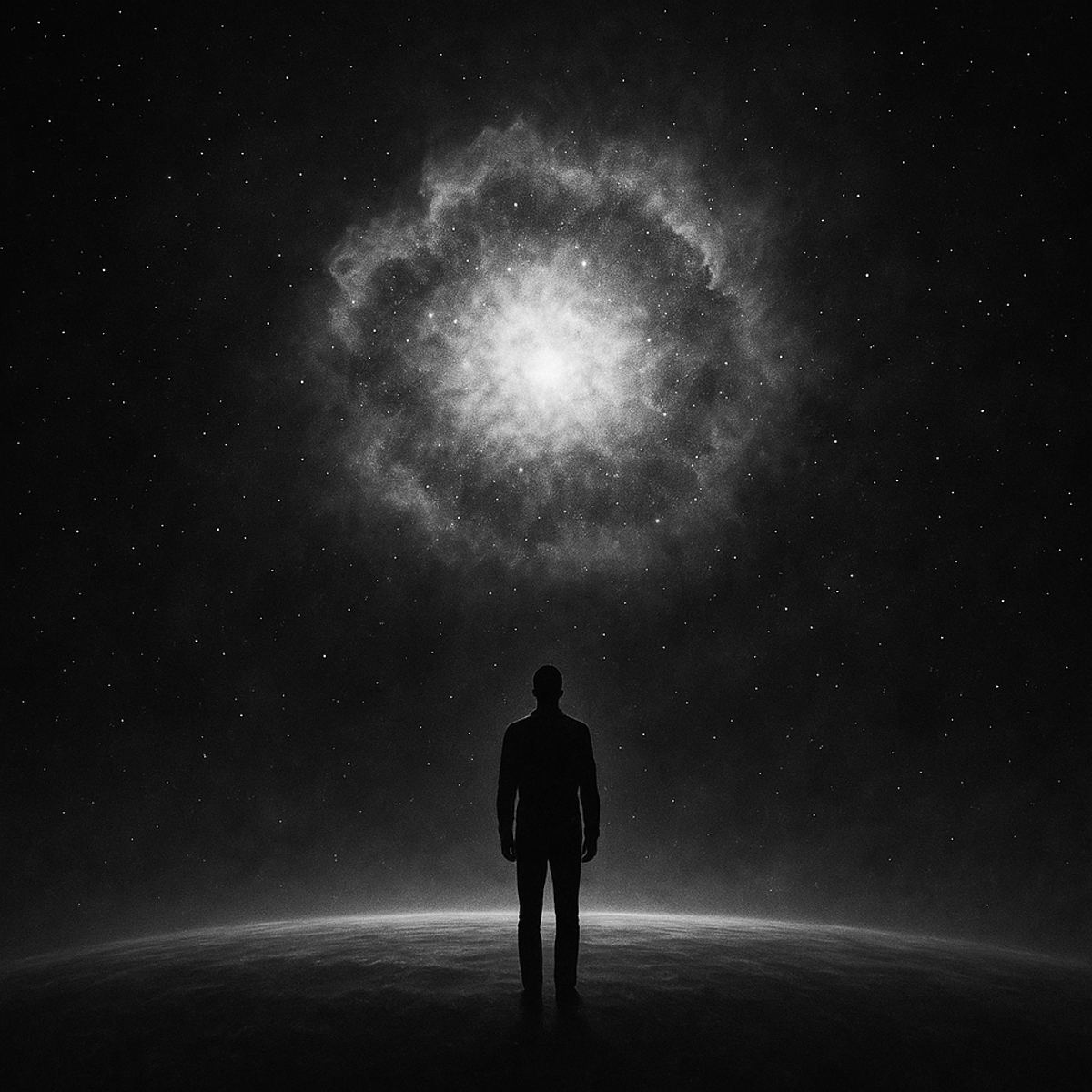
Explore the fascinating possibility of observing a supernova from Earth, a cosmic spectacle occasionally visible without telescopes.
What is a Supernova?
A supernova is a stellar explosion that shines intensely, resulting from the collapse of a massive star at the end of its life cycle. These explosions are tremendously energetic and fleeting events, which can illuminate the night sky for weeks or even months.
The process leading to a supernova varies depending on the type of star. In general, when a depleted star can no longer withstand internal pressure, it collapses and triggers this impressive phenomenon. Supernovas distribute heavy elements throughout the universe and can trigger the formation of new stars.
Visibility of Supernovas from Earth
Although they may seem distant and mysterious, some supernovas are exceptionally visible from our planet. Depending on their proximity to Earth and their magnitude, it is possible to see a supernova with the naked eye. Historically, these appearances have been documented by astronomers from different cultures.
Visibility largely depends on the characteristics of each explosion and its location in our galaxy. For example, the supernova of 1987A was visible without telescopic instruments in the southern hemisphere due to its bright magnitude and relative proximity.
Historical Sightings of Supernovas
Throughout history, there have been documented sightings of supernovas visible to the naked eye, such as the famous supernova of 1054, which gave rise to the Crab Nebula. This was observed by Chinese astronomers and possibly by Native American cultures.
Another notable one was in 1604, also known as Kepler's supernova, which appeared in the constellation Ophiuchus and was visible for over a year. These events have inspired not only astronomers but also humanity in general, leaving a lasting impression on history.
Factors Influencing Visibility
The visibility of a supernova from Earth depends on several factors: its distance, intrinsic brightness, and the time of year it occurs. Supernovas occurring in our galaxy, the Milky Way, are more likely to be seen.
Atmospheric conditions and light pollution also play a crucial role in observation. Clear skies and areas without much artificial light are ideal for detecting these celestial events.
Future Observation Opportunities
Astronomers are on the lookout for new supernovas that could be visible without the need for telescopes. Although they cannot be predicted with precision, constant sky monitoring helps identify these phenomena in time before they fade away.
Some experts anticipate that nearby stars, like Betelgeuse, could at some point experience a supernova. Although there is no absolute certainty of when, these potential events keep the astronomical community in constant anticipation.

Free Birth Chart
Discover the sky that existed when you were born
We reconstruct the astronomical map of the moment of your birth with exact planetary positions and advanced interpretation.
Get your free chart